Water aspirator vacuum systems offer simple, reliable suction for labs, clinics, boats, and home workshops. This guide highlights five top options, covering glass and stainless designs, venturi-based models, and compact aspirator kits. Each entry includes key features, typical uses, and what to consider when choosing. The summary table below helps compare core specs at a glance.
| Product | Brand | Type | Key Benefit |
|---|---|---|---|
| Deschem Glass Water Aspirator Pump | Deschem | Glass aspirator | Heat-resistant borosilicate construction |
| Dinglab Stainless Steel Aspirator Pump | Dinglab | Stainless steel aspirator | Durable, versatile under variable water pressure |
| Salty Captain FlowVac Water Vacuum | SALTY CAPTAIN EST | Venturi-powered | No electricity required, portable and fast |
| Synaiolma 110V Portable Electric Veterinary Aspirator | Synaiolma | Electric vacuum unit | High negative pressure, large capacity |
| SP Bel-Art Vacuum Aspirator Collection System | SP Scienceware | Flexible aspirator bottle | Low noise, 1-gallon collection with vent |
Deschem Glass Water Aspirator Pump

The Deschem glass water aspirator uses G3.3 borosilicate glass, combining chemical resistance with heat tolerance. Its annealing point around 560°C and a low thermal expansion coefficient (32×10-7/°C) support stable operation in laboratory settings. This design is well-suited for labs seeking a clean, chemically compatible suction option with minimal backflow concerns due to glass integrity. Use where glass construction and chemical compatibility matter most.
Dinglab Stainless Steel Aspirator Pump

The Dinglab aspirator is built from stainless steel, designed to perform under both high and low water pressure. It features a ball-type positive action valve in the suction tube to prevent backflow when pressure drops. With a compact total length of 98 mm, it supports a 16 mm water inlet and 10 mm outlets, delivering about 1.5 L/min pumping rate and up to 420 mmHg vacuum. The unit emphasizes durability and reliability in varied lab or workshop environments.
Salty Captain FlowVac Water Vacuum

The FlowVac uses venturi-powered suction driven by high-speed water flow, enabling fast water and debris removal without electricity or pumps. It is ideal for boats, 4x4s, pools, and general home cleanups. This portability makes it a practical option for emergency draining, bilge maintenance, or shallow water transfer where power is unavailable. Its lightweight design supports quick deployment in multi-scenario cleanup tasks.
Synaiolma 110V Portable Electric Veterinary Aspirator
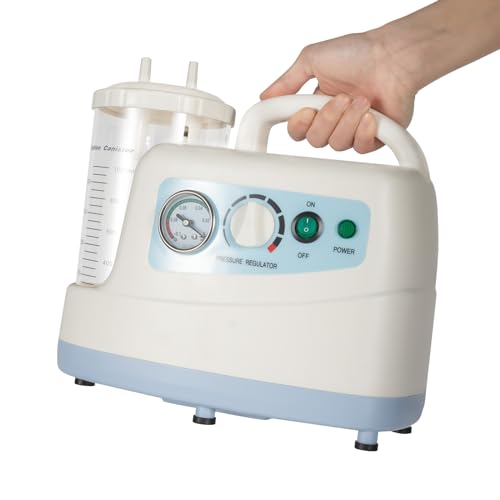
The Synaiolma 110V unit is designed for home care and veterinary settings, offering high negative pressure with a 1000 ml water tank. It emphasizes quiet operation and safety, aiming to minimize disturbance while delivering effective suction. The device is positioned for scenarios needing reliable suction with moderate capacity, suitable for brief, frequent passes without frequent stops for emptying.
DAIMOT Shop Vacuum Wet and Dry

The DAIMOT 6-gallon shop vacuum offers 5.5 peak HP suction with wet/dry versatility and a 4.5 L upholstery shampoo tank. This 3-in-1 system is suitable for car detailing, light renovation, and workshop cleanup. Its portability, wheel design, and ergonomic handle support easy maneuverability in vehicles and small spaces. It provides a robust solution for multi-purpose extraction tasks that combine cleaning and detailing needs.
SP Bel-Art Vacuum Aspirator Collection System

The SP Bel-Art collection system features a 1.0-gallon bottle with a built-in pump for quick aspiration of fluids. It operates at low noise levels (about 76 dB at 1 meter) with minimal vibration, making it suitable for lab workflows that require fluid collection from tissues, cell cultures, and standard lab vessels. The polypropylene bottle is chemical and corrosion resistant, holding up to 3800 ml of waste and including a safety vent to prevent vacuum implosion.
Buying Guide: Key Purchase Considerations
- Intended use: Labs, clinics, boating, or home cleanup each benefit from different materials (glass for chemical resistance, stainless for durability, venturi for no power need).
- Material and durability: Glass offers chemical compatibility but can be fragile; stainless steel is robust in harsh conditions; plastic bottles and fittings reduce weight but may limit chemical resistance.
- Vacuum performance: Look at max vacuum (mmHg or kPa) and flow rate (L/min) to match your suction requirements. Venturi systems depend on water pressure rather than electricity, useful in power-limited settings.
- Backflow prevention: Valves and seals prevent water or debris from returning to the source—critical for continuous operation.
- Safety and maintenance: Check for compatible seals, O-rings, and ease of cleaning. BPA-free materials and ease of disassembly are beneficial for baby or clinical use.
- Portability and space: Compact units fit tight benches or vehicles; larger shop vacs deliver greater capacity but require more space.
- Noise and vibration: Low-noise options are preferable in clinical and educational environments.
- Compatibility with accessories: Ensure inlet/outlet sizes align with your hoses and fittings; consider included adapters or pump-integrated containers for fluid collection.
- Power considerations: Electric units provide consistent suction; venturi systems avoid electricity but depend on water supply quality and pressure.
When selecting a water aspirator vacuum, balance durability, chemical compatibility, required suction strength, and the context of use. For fieldwork or boats, venturi models eliminate power needs and reduce equipment weight. For laboratory benches, glass or stainless steel designs offer reliability and long-term stability in diverse environments. For quick cleanup in workshops or vehicle detailing, multifunctional shop vacs provide flexibility and integrated cleaning features. Assess both the immediate task and potential compatibility with existing hoses and vessels to choose the best fit.