Water-powered vacuums and siphon cleaners use the pressure or flow of water to lift debris, making maintenance easier for pools, spas, aquariums, and hard floors. This guide highlights five water-assisted vacuums and cleaning tools that emphasize simple setup, efficient suction, and operator-friendly design. Each option leverages water flow to minimize electricity use while delivering reliable debris removal for specific environments—from above-ground pools to home aquariums and beyond.
| Product | Brand | Environment | Key Benefit |
|---|---|---|---|
| Pool Spa Jet Vacuum Cleaner w/Brush | Pool Supply Town | Frame Above Ground/Inflatable Pools, Spa | Uses garden hose water pressure to vacuum and brush debris |
| POOLAZA Manual Pool Vacuum | POOLAZA | Above Ground Pools | Double mesh bags; water-powered suction; no electricity |
| Koblenz Canister Vacuum Cleaner | Koblenz | Home/Office with Water Filtration | Water filtration system reduces filter replacements |
| SEAOURA Aquarium Siphon Pump Gravel Cleaner | SEAOURA | Aquariums | 3-in-1 siphon cleaner for gravel, stains, manure |
| Proscenic Cordless Vacuum Cleaner | Proscenic | Whole home floors | Detachable water-mopping base; battery-powered |
These options illustrate a spectrum of water-assisted cleaning tools—from pool and aquarium duties to home floor care. Whether you want a simple garden-hose vacuum for a pool or a more versatile system that doubles as a mop, the following sections break down how each product aligns with water-powered cleaning and which scenarios they best serve.
Pool Spa Jet Vacuum Cleaner With Brush
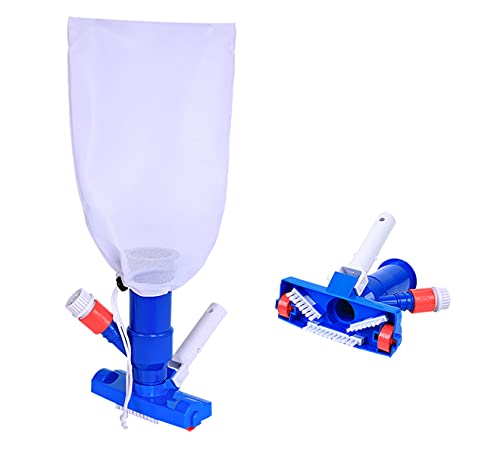
This jet-powered vacuum uses water pressure from a garden hose to lift debris into a connected vacuum head. It includes a brush feature for scrubbing while vacuuming, making it suitable for frame above-ground and inflatable pools, spas, or hot tubs. The unit does not include a pool pole, so you’ll need a standard 1-1/4″ telescopic pool pole for operation. Its design focuses on convenience and integrated brushing to tackle surface debris and light sediment.
Major advantages include straightforward setup, reliance on external water pressure to create suction, and combined vacuum-brush action for efficient cleaning. Users should note that a sturdy telescopic pole is essential for best control and reach. This option is especially helpful for quick cleaning sessions between swims, spa maintenance, and pool perimeter debris removal where electrical outlets are not ideal.
POOLAZA Manual Pool Vacuum

The POOLAZA model emphasizes a double mesh bag design to capture both standard debris and ultra-fine particles, with a 56″ pole included for hands-free reach. It runs on water pressure from a garden hose, avoiding electricity altogether. A twist-lock feature secures the debris bag, reducing maintenance tasks and preventing leaks during operation. This option suits above-ground pools and hot tubs where portable, straightforward cleaning is desired.
Key considerations include bag durability, suction power under garden-hose pressure, and overall compatibility with existing pool poles. The upgraded bag design and seal contribute to reliable cleaning while keeping the system lightweight and easy to store. For pools that accumulate fine silt, leaves, and hair, this vacuum provides a practical, low-energy solution with minimal setup time.
Koblenz Canister Vacuum Cleaner

The Koblenz canister vacuum is built around a water filtration system that traps dust and dirt in the water tank. This design aims to reduce ongoing costs associated with traditional bag or filter replacements. The device uses a powerful 1200-watt motor framework and a durable ABS housing to withstand frequent use. By filtering via water, it can minimize secondary air pollutants and offer a different approach to household cleaning compared with conventional vacuums.
Considerations for this model include filtration efficacy, water capacity, and the practicality of using water filtration for various flooring types. While not a portable, handheld pool accessory, this unit demonstrates how water-based filtration can complement standard vacuuming tasks, particularly for environments sensitive to dust and particulates. Buyers should assess whether their cleaning needs align more with home or office spaces that benefit from a water-based filtration approach.
SEAOURA Aquarium Siphon Pump Gravel Cleaner

The SEAOURA siphon cleaner is designed for aquariums and fish tanks, offering three core functions: gravel washing, stain scraping, and manure suction. It operates on siphon principles, with no electricity or noisy motors required. A built-in filter basket protects fish and substrate, and the device includes safety features that reduce water disruption during cleaning. It’s ideal for regular water changes, gravel maintenance, and quick tank refreshes without electrical devices near water.
Strengths include quiet operation, compact design for tight tank spaces, and reliable siphon action. Users should consider tank size, gravel depth, and the need for compatible hoses or adapters. For hobbyists seeking a simple, low-energy method to maintain aquarium clarity and balance, this tool provides practical value with minimal risk.
Proscenic Cordless Vacuum Cleaner

The Proscenic cordless vacuum offers a multi-functional approach with a detachable mopping base and a 340 mL water tank, enabling both vacuuming and wet mopping. Its 55-minute runtime, LED display, and 2-in-1 dusting brush/crevice tool provide versatility for hard floors and carpets. The vacuum’s high-performance motor delivers strong suction, while the water tank supports thorough surface cleaning in a compact, battery-powered package.
Considerations include floor type compatibility, mop-plus-vacuum workflow, battery life for extended cleaning sessions, and the balance between suction power and water use. For households seeking a single tool to handle dry vacuuming and occasional mopping, this option presents a flexible all-in-one solution with modern electronics for monitoring and control.
Buying Guide: Water-Powered Vacuum Buyer’s Considerations
- Purpose and environment: Pool and spa vacuums excel for water surfaces and wet debris, while aquarium siphon cleaners target tank maintenance. For home floors, water-assisted mops or filtration-based vacuums offer broader versatility.
- Power source and energy use: Water-powered devices minimize electricity use but may require a steady water supply. Consider compatibility with your hose fittings, pressure, and the need for an external pump or pressure source.
- Debris handling: Bag and filtration design matters. Double mesh bags or filter baskets help manage fine particles, while water filtration reduces dust exposure and ongoing filter costs.
- Reach and ergonomics: Telescopic poles, hose length, and weight impact ease of use. Ensure your setup accommodates the required reach for pools, tanks, or large floor areas.
- Maintenance and durability: Look for durable housings, reliable seals, and straightforward bag replacements. Twist-lock designs and secure bag interfaces minimize leaks and maintenance time.
- Limitations and safety: Water-based vacuums may require careful handling around electricity and outlets. For aquariums, ensure devices avoid over-siphoning or harming fish, and use non-toxic materials.
- Versatility vs. specialization: Decide whether you need a single all-purpose tool or a specialized device for pools, tanks, or floors. Some products blend features (vacuum and mop) for broader use.
In summary, water-assisted vacuums and cleaners offer energy-efficient ways to tackle debris in wet environments, from above-ground pools to aquariums and hard floors. When choosing, balance the environment, debris type, and ease of operation with the tool’s filtration, bag design, and maintenance requirements to select the best fit for your cleaning routine.