Smart vacuuming can be trouble-free when you use boundary blockers to keep robots from entering restricted areas. The following selected products help create invisible walls or physical barriers that guide where a robot vacuum can and cannot go. This article highlights five compatible options with clear features to help you compare and decide what best fits your home layout and robot model.
| Product | Brand |
|---|---|
| Boundary Strips for Neato Shark ION IQ Robot Vacuum | GIB cleaningtool |
| Boundary Markers for Neato Botvac and Shark ION | Engery |
| 16 Feet Boundary Strips Magnetic Tape Markers | Yonice |
| Outus 4 Pieces Robot Vacuum Bumper Sets | Outus |
| Magnetic Boundary Tape Marker for Various Robovacs | Nispira |
Boundary Strips for Neato Shark ION Vacuum by GIB Cleaningtool

The boundary strips are designed to keep specific zones off-limit for several popular vacuum models. The listing notes extensive compatibility with Shark Ion and Shark IQ lines, as well as multiple RoboVac and Roborock models. The product emphasizes that compatibility should be double-checked for your exact model to ensure effective barrier performance. The strips lay flat on the floor to form a barrier that your robot recognizes as a no-go zone. This helps prevent collisions with furniture or restricted areas while maintaining routine cleaning of accessible spaces.
Key points include a broad range of supported models (RV and IQ lines) and a flexible magnetic tape approach. Users should verify their robot’s model number and revisit setup if a device firmware update affects barrier recognition. The product aims for a simple installation that minimizes the need for adhesives or bulky hardware, making it suitable for renters or households seeking temporary boundary solutions. Durability and reusability depend on surface texture and thickness of flooring material.
Engery Boundary Markers for Neato Botvac and Shark ION
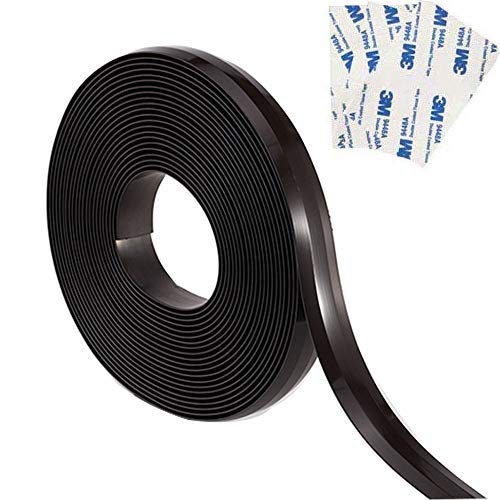
Engery boundary markers provide a 13-foot barrier option for Neato Botvac and Shark ION robot vacuums. The product description notes that it is specifically designed for these brands, offering a simple, flat-lying boundary that helps prevent the vacuum from entering designated areas. This can be particularly useful in rooms with delicate furniture or pet zones. Since the boundary is non-adhesive and lays flat on the floor, it’s easy to reposition as needed. Be mindful that it may not be compatible with non-listed brands, so check your model carefully before purchasing.
Considerations include the barrier’s length, the ease of repositioning, and its effectiveness on different floor types. If you frequently rearrange rooms or have multiple robots, you may want a boundary system that travels well between spaces. The product relies on magnetic-like cues rather than electrical or adhesive methods, which can be advantageous for safety and quick changes, but verify your robot’s sensing compatibility for optimal performance.
Yonice 16 Feet Boundary Strips for Neato and Shark ION

The Yonice boundary strips offer a 16-foot magnetic tape solution designed to work with Neato Botvac and Shark Ion/IQ models, as well as several Roborock and other robot vacuums. The listing highlights a trapezoidal, three-dimensional virtual wall effect that improves barrier effectiveness compared with flat tapes. The strips are non-adhesive and lay directly on floors, making them easy to deploy and relocate. They’re marketed as compatible with a broad mix of models, including some Roborock and Deenkee devices, depending on the exact sensing and wall-detection methods of the vacuum.
Pros include wide compatibility and a strong shielding design. Potential drawbacks include the need to confirm that your specific model recognizes and respects the magnetic wall, as some robots rely more on virtual walls or laser mapping. Surface texture and floor type can influence performance, so testing in a small area first is advised. Reusability is a key advantage, particularly for households that frequently reconfigure room layouts.
Outus Robot Vacuum Bumper Set, 4 Pieces

The Outus bumper set provides a soft, protective solution to reduce collisions between robots and furniture. Each bumper measures roughly 54 x 2.5 x 0.5 cm, allowing multiple placements around edges or corners. Made from EVA material, these bumpers offer cushioning to absorb impact and minimize noise during contact. Because of their flexible nature, users can cut or adjust sizes to fit specific furniture shapes. The bumpers are designed primarily to shield furniture and the vacuum’s body from damage, making them a practical accessory for homes with delicate furnishings or tight spaces.
Considerations include how well bumpers integrate with different vacuum models and how they interact with edge detection and bumper sensors. They are a simple, non-electronic solution suitable for quick setups and temporary protection. Durability depends on the material’s resilience to repeated impacts, and placement strategy will influence effectiveness in high-traffic cleaning areas.
eufy C10 Robot Vacuum Self Empty and Barrier Features

The eufy C10 model focuses on efficient self-emptying with a LiDAR navigation system and strong suction, plus a slim profile for tight spaces. While the product page emphasizes advanced mapping and a self-empty station, it does not specifically market magnets or physical boundary tapes. In practice, owners of the C10 may pair the vacuum with compatible boundary products to manage restricted zones. The 2.85-inch slim design supports cleaning under furniture and near walls, potentially reducing the need for additional barriers in some layouts. If you rely on self-emptying and precise navigation, consider how boundaries integrate with your mapping workflow.
Key considerations include compatibility with boundary technology (magnetic tapes or virtual walls) and whether your cleaning plan benefits from a separate barrier system. For users seeking a holistic approach, pairing a boundary solution with the advanced LiDAR navigation of the C10 can help optimize coverage and protect sensitive zones.
Purzest 13 Feet Magnetic Boundary Strips for Neato and More

Purzest offers a 13-foot magnetic boundary strip solution compatible with Neato Botvac, Neato D Series, and other listed models, including Shark Ion/IQ and several Roborock variants. The product is designed to create an effective virtual barrier with a sturdy magnetic tape that helps keep vacuums in defined zones. The feature list also notes compatibility with GOOVI and other brands, expanding the potential reach for multi-robot households. The product emphasizes shielding effects and a barrier that is easy to deploy on floor surfaces without glue or power requirements.
Pros include a robust barrier effect and broad compatibility. Potential downsides involve verifying exact model support and ensuring the tape remains flat on textured floors. Reusability is a strength, but long-term wear may occur with high-traffic areas or frequent rearrangements. For households with several robot models, such a universal tape can simplify zone management across devices.
Buying Guide: Key Purchase Considerations for Robot Vacuum Blockers
- Compatibility: Verify your specific robot model with each boundary product. Some tapes and bumpers target only particular brands or series, while others offer broader compatibility. Check the model numbers listed by the seller and cross-reference with your vacuum’s manual.
- Barrier Type: Magnetic tapes create virtual walls, while bumper sets and physical strips provide a tactile barrier. Consider which barrier type aligns with your flooring, furniture layout, and typical cleaning routines.
- Floor Surface and Texture: Some barriers work better on hard floors than carpet, and texture can influence barrier recognition. Test in a small area before full deployment to confirm effectiveness.
- Reusability and Mobility: If you rearrange rooms often, choose non-adhesive barriers that lay flat and are easy to move. Non-permanent options are generally preferred for rental homes or evolving layouts.
- Installation Ease: Look for products that require minimal setup—no tools, no adhesives, and straightforward placement. This improves user experience and reduces setup time.
- Safety and Sensor Compatibility: Ensure the barrier does not interfere with the robot’s safety sensors or mapping capabilities. Some models rely on boundary signals or laser-based mapping that may interact differently with each barrier.
- Durability and Longevity: Consider the expected wear from foot traffic, vacuum tires, and cleaning cycles. Durable materials reduce the need for frequent replacements in high-use homes.
- Multi-Robot Environments: If you have more than one robot, select barriers that work across multiple models or that can be repositioned between devices without loss of effectiveness.
- Cost and Availability: Compare pricing across brands and check whether bundles offer better value. Replacing or supplementing barriers periodically may be necessary as layouts change.
- Warranty and Support: Favor products with clear warranty terms or responsive customer support in case you encounter compatibility issues with your vacuum.