When dealing with asbestos or hazardous dust, selecting a vacuum with certified HEPA filtration and robust containment is essential. This guide highlights five top options designed to meet stringent safety standards, deliver strong suction, and maintain clean indoor air. Each model has practical features for professional and serious DIY use, from portable backpack designs to large-capacity wet/dry machines. Use the buying guide to compare performance, filtration, and suitability for your work environment.
Summary of selected products
| Product | Brand | Key Filtration/Capability | Capacity |
|---|---|---|---|
| Nilfisk Aero 21 5 Gal. Professional Wet/Dry HEPA Vac | Nilfisk | Certified HEPA filter (99.97% @ 0.3 microns) | 5 gallons |
| Dustless Technologies HEPA Wet+Dry Pro Vacuum, 8 Gallon | Dustless | Certified HEPA system; 138 CFM; hydrophobic filter | 8 gallons |
| Atrix Omega Supreme HEPA Vacuum | Atrix | ESD safe, EMI/RFI reduction; 120V motor | Standard portable size |
| Hoover Commercial Shoulder Vac Pro Backpack with HEPA | Hoover | HEPA media filter; lightweight; quiet operation | Backpack design |
| Kenmore 81214 Pet Friendly Lightweight Bagged Canister | Kenmore | HEPA filtration; 2-motor system | Bagged canister |
Nilfisk Aero 21 5 Gal. Wet/Dry HEPA Vac
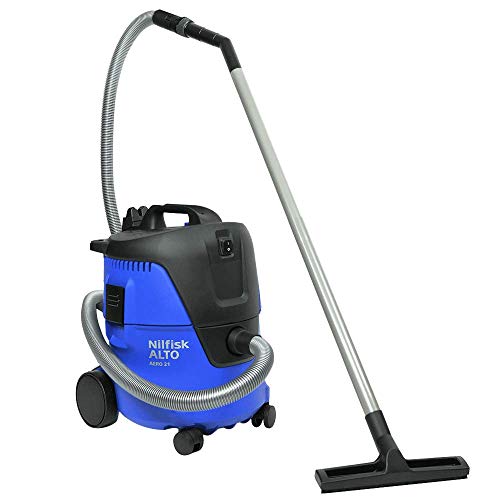
The Nilfisk Aero 21 is a professional-grade wet/dry vacuum featuring a certified HEPA filtration system that captures 99.97% of particles at 0.3 microns. With a flow rate of 127 CFM and a water lift of 84 inches, it delivers strong suction for hazardous material cleanup, including asbestos-containing dust when paired with proper containment practices. The automatic filter cleaning system (Push & Clean) helps maintain suction during long cleanup sessions and reduces downtime between passes.
Dustless Technologies HEPA Wet+Dry Pro Vacuum, 8 Gallon

Dustless HEPA Wet+Dry Pro vacuum combines a certified HEPA system with a high-capacity 8-gallon canister and 138 CFM performance. Its hydrophobic polyester filter enables quick transitions from dry to wet pickup without frequent filter changes, which helps maintain filtration integrity when collecting asbestos-containing dust and moisture-laden debris. This model emphasizes secure dust containment and reliable performance on challenging job sites.
Atrix Omega Supreme HEPA Vacuum

The Atrix Omega Supreme is designed for electronic-sensitive environments, featuring ESD-safe grounded construction and EMI/RFI reduction for safe operation around sensitive equipment. It uses a 120-volt motor and emphasizes quiet operation while delivering strong suction for fine particle collection. This makes it suitable for asbestos-related cleanup where electronics and dust control must be managed simultaneously.
Hoover Commercial Shoulder Vac Pro Backpack with HEPA

The Hoover Pro Backpack offers mobility and comfort for prolonged cleaning tasks while maintaining indoor air quality through HEPA media filtration. Its lightweight design reduces fatigue and supports thoroughCleanup in rooms where asbestos-containing dust may accumulate on walls, ceilings, and fixtures. A quiet operation profile helps maintain a safe work environment where occupants may be present.
Kenmore 81214 200 Series Canister with HEPA

The Kenmore 81214 canister combines a two-motor system with a bagged design and a HEPA filtration stage to trap 99.97% of dirt, dust, and dander as small as 0.3 microns. Its portability and versatile cleaning tools make it suitable for residential spaces where asbestos-containing dust may have accumulated in corners or carpeted areas. The bagged design adds a layer of containment for sensitive materials during disposal.
Global Industrial HEPA Backpack Vacuum

The Global Industrial HEPA Backpack combines portability with a 6-quart capacity and a lightweight build, featuring cushioned shoulder straps and a waist belt for comfortable all-day wear. While designed for general use, its compact size and robust filtration make it a practical option for localized asbestos dust cleanup in elevated or hard-to-reach areas where larger units are impractical.
Buying Guide: Key Considerations For Selecting a HEPA Vacuum For Asbestos
- Filtration efficiency: Look for true HEPA certification (minimum 99.97% at 0.3 microns). Some units advertise HEPA-like filters or HEPA media; confirm full certification to ensure reliable containment of asbestos fibers.
- Containment and bypass risk: Choose vacuums with sealed systems and filter housings that prevent bypass. Heavily contaminated dust requires reliable filtration and leak-free performance.
- Wet/dry capability: For asbestos-containing debris mixed with moisture, a wet/dry model helps manage different waste streams without changing instruments. Ensure the unit supports safe disposal of hazardous material.
- Airflow and suction stability: Higher CFM and adequate water lift help collect fine dust without clogging. Look for features like automatic filter cleaning to maintain suction during long tasks.
- Portability versus capacity: Backpack vacuums offer mobility for multi-room work, while larger canisters or wet/dry units cover greater debris volumes. Choose based on site layout and duration of cleanup.
- Electrical safety and compatibility: For environments with sensitive electronics, EMI/RFI considerations or grounded designs can reduce risk. Ensure compatibility with your electrical standards and outlet availability.
- Maintenance and filter lifecycle: Consider ease of filter replacement, availability of certified replacement filters, and whether filters are hydrophobic for dry-to-wet transitions.
- Compliance: Ensure the vacuum and filters meet local health and safety regulations for asbestos handling and job-site inspections. Documentation of filtration standards can aid in compliance trails.
- Noise and operator comfort: Lower noise levels and ergonomic designs reduce fatigue on longer projects, improving overall safety and performance.
Note: Always follow local regulations and best-practice guidelines for asbestos handling, including containment, disposal, and personal protective equipment. Vacuuming asbestos should be part of a broader abatement plan overseen by qualified professionals.