Choosing the right electronic vacuum pipe system or related fittings can streamline home cleaning and automotive diagnostics alike. This guide spotlights five top products that blend compatibility, ease of installation, and reliability. From central vacuum piping to EVAP smoke testers, the selections cover residential pipe runs and diagnostic tools that help pinpoint leaks and maintain system integrity. Use this overview to compare practical features, installation needs, and usage scenarios for a smarter, cleaner workspace or garage.
| Product | Brand | Typical Use |
|---|---|---|
| Central Vacuum Fittings (4′ Pipe) | Generic | Central vacuum piping fittings and configurations |
| OVO Flex Easy Retrofit Flexible Pipes | OVO | Retrofit for existing central vacuum networks |
| Central Vacuum 4′ Stick of Pipe (Single Stick) | Generic | Single pipe sections for central systems |
| THIKPO Automotive EVAP Smoke Machine | THIKPO | Vehicle EVAP and pipe system leak testing |
| Automotive EVAP Smoke Machine Test (Solary) | Solary | 12V smoke testing for automotive leaks |
Central Vacuum Fittings (4′ Pipe)
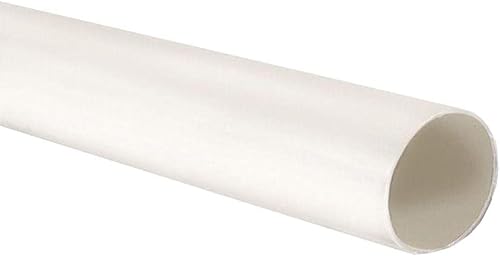
These fittings provide flexible options for shaping a central vacuum network. The shown product supports choosing between standard configurations like 90-degree elbows, 45-degree bends, tees, and Y-connectors, enabling precise routing through walls and rooms. In central vacuum installations, choosing compatible fittings is critical to maintaining suction efficiency and minimizing leaks. This option emphasizes adaptability for various residential layouts, allowing installers to customize runs without sacrificing performance.
OVO Flex Easy Retrofit Flexible Pipes

OVO’s retrofit flexible pipes are designed for rapid integration into existing central vacuum systems. They fit standard 2″ piping and come with two 12-inch retrofit segments, simplifying upgrades or expansions. The flexibility reduces installation time and helps adapt to awkward spaces or tight corners. For homeowners or contractors, this product supports upgrading performance without replacing the entire piping network, preserving suction while enabling modernization.
THIKPO Automotive EVAP Smoke Machine
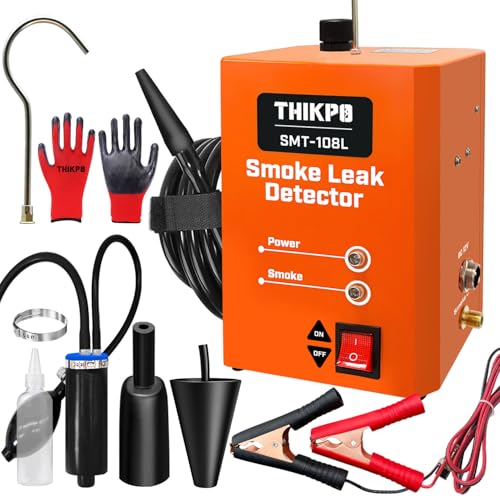
The THIKPO EVAP smoke machine is a multi-system leak detector designed for automotive diagnostics. It supports comprehensive leak testing across throttle bodies, intake and exhaust manifolds, EVAP systems, fuel tanks, turbochargers, and more. Its built-in air pump enables quick startup without external compressors, producing dense smoke to reveal leakage points. With safety features and broad temperature tolerance, this tool is suitable for cars, boats, and other vehicles, delivering rapid identification of failures in complex pipe networks.
Automotive EVAP Smoke Machine Test (Solary)

Solary’s 12V DC evaporative smoke tester focuses on practical leak testing for automotive systems. Its built-in air pump removes the need for external air sources, and the device supports multiple tests, including EVAP, sealing, fuel tanks, exhaust, and pipe fittings. An adjustable flow meter helps tailor air pressure to different pipe diameters, which helps protect delicate components during diagnostic procedures. This portable unit is designed for versatile field use and quick, repeatable diagnostics.
Buying Guide
When selecting electronic vacuum pipe components and related testing equipment, consider the following factors to ensure you get the right fit for your needs.
- System compatibility: Verify pipe standards (diameter, wall thickness) and connector types match your existing central vacuum or automotive piping.
- Material and durability: Choose corrosion- and impact-resistant materials that withstand long-term use in homes or garages.
- Ease of installation: Retrofit options and modular fittings save time and reduce professional labor costs.
- Leak detection capabilities: For testing tools, ensure smoke machines provide quick start, clear visibility of leaks, and appropriate safety protections.
- Portability and power: Battery-free or lightweight devices are preferable for field work; for auto diagnostics, ensure compatibility with standard vehicle power sources.
- Expansion potential: Consider products that enable future upgrades or additions to your central vacuum or diagnostic toolkit.
- Brand support and documentation: Look for clear manuals and responsive customer support in case of installation questions or troubleshooting.
- Price-to-value balance: While professional-grade tools may cost more upfront, assess long-term reliability and maintenance costs.
In practice, homeowners focusing on central vacuum systems may prioritize fittings and retrofit pipes for flexible layouts, while auto technicians emphasize the speed and reliability of EVAP smoke testing tools. Balancing these perspectives helps choose products that deliver consistent suction, effective leak detection, and straightforward maintenance. Always confirm product specifications with the seller and ensure compatibility with your current setup before purchasing.