Finding the right 6 gallon wet/dry vacuum can streamline cleanup across home, garage, and on projects. This guide highlights five popular options, focusing on suction power, tank capacity, versatility, and value. Each product below includes key features to help you compare quickly and make an informed choice for tasks like spills, sawdust, and light construction cleanup.
Overview of selected products:
- Stanley SL18116P Wet/Dry Vacuum, 6 Gallon, 4 Horsepower
- DEWALT Shop Vacuum 6 Gallon 4HP Poly Wet/Dry, DXV06PL
- DEWALT DXV06P 4 Peak HP Shop Vacuum, 6 Gallon
- CRAFTSMAN CMXEVBE17584 6 Gallon 3.5 Peak HP Wet/Dry
- Vacmaster VBVB611PF 6 Gallon Wet/Dry Vacuum with Blower
Stanley SL18116P Wet/Dry Vacuum, 6 Gallon

STANLEY delivers a compact 6-gallon unit with a robust 4 peak horsepower motor for reliable suction across multiple cleanup scenarios. The larger 22-liter capacity reduces the need for frequent emptying during extended sessions, making it suitable for home workshops, garages, and light job sites. A versatile 3-in-1 design supports wet spills, dry debris, and blowing leaves via a dedicated port. The unit emphasizes portability with a practical top handle and cord organization features to streamline storage after use.
DEWALT Shop Vacuum 6 Gallon 4HP, DXV06PL

DEWALT’s 6-gallon model combines a 4 HP motor with a durable poly tank, delivering solid suction for wood chips, dust, and water spills. The design prioritizes extended cleaning sessions thanks to the sizeable tank that minimizes emptying interruptions. It supports both wet and dry pickups and includes a tool adapter for connection to DEWALT tools, expanding dust and debris management across workpieces and accessories. This vacuum aims at construction sites, garages, and home workshops where dependable performance matters.
STANLEY SL18116 Wet/Dry Vacuum, 6 Gallon
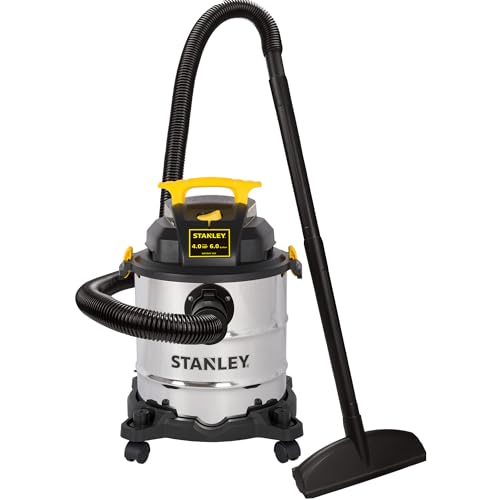
This stainless steel-tank Stanley model provides a familiar 6-gallon capacity with a 4 HP motor, ensuring strong suction for a variety of cleanup tasks. The 3-in-1 functionality covers wet spills, dry debris, and blower uses for outdoor cleanup. The design emphasizes durability and straightforward maintenance, making it a common choice for home garages, vehicles, and light industrial environments where reliability is essential.
DEWALT DXV06P 4 Peak HP Shop Vac
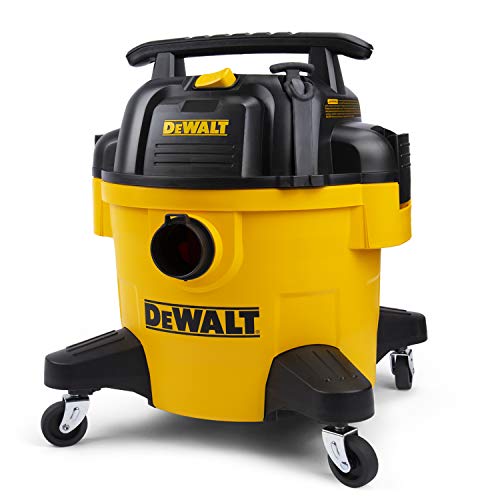
DEWALT’s DXV06P offers a compact but potent 6-gallon wet/dry vac with a 4 HP motor. It’s designed for small cleanup jobs with strong suction and robust durability, including caster wheels for easy movement around a workspace. The model emphasizes practical maintenance and portable convenience, making it well-suited for quick cleanups in shops, garages, and light construction areas.
CRAFTSMAN CMXEVBE17584 6 Gallon

The Craftsman 6-gallon model features a 3.5 peak HP motor designed for versatile cleanup across home and automotive tasks. Its compact 6-gallon drum is ideal for small to medium projects, and the Qwik Lock Filter Fastening System allows quick filter changes. This vacuum emphasizes ease of maintenance and practical performance for everyday cleanups, from workshop dust to vehicle interiors.
Vacmaster VBVB611PF 6 Gallon Wet/Dry Vac

Vacmaster’s 6-gallon model integrates a detachable blower for outdoor debris removal and quick cleanup transitions. With 70 CFM suction, it is geared toward everyday wet and dry pickup and outdoor chores. The one-hand release for blower conversion adds convenience for switching modes during a task, making it useful for quick yard work as well as workshop cleanup.
Buying Guide: Key Considerations For 6-Gallon Wet/Dry Vacuums
- Suction Power and Motor rating: Look for peak horsepower or equivalent CFM ratings to gauge how well the unit handles both dry and wet messes. Higher horsepower or airflow is beneficial for heavier debris or water spills, but may come with higher noise levels and weight.
- Tank Capacity And Filtration: A 6-gallon tank balances portability and endurance. Check whether the unit uses washable filters, cartridge filters, or foam pads, and how easy they are to replace or clean. Filter accessibility affects maintenance time during longer projects.
- Wet and Dry Versatility: Confirm the vacuum supports both wet spills and dry debris. Some models include a blower port, which expands outdoor cleanup capabilities without needing a separate tool.
- Portability And Accessory System: Consider the weight, wheels, and handle design for moving the vacuum around a workshop. A comprehensive accessory kit (hoses, wands, nozzles, and attachments) enhances usability across different tasks.
- Durability And Build Materials: Stainless steel tanks or rugged plastics influence longevity and durability under frequent use. Look for quality seals, sturdy casters, and reliable hose connections to minimize wear failure.
- Brand Ecosystem And Tool Compatibility: Some brands offer tool adapters or compatibility with other tools in their line. If you already own a brand’s tools, compatibility can simplify dust collection and accessory usage.
- Maintenance And Replacement Costs: Check availability and cost of filters, bags, and replacement gaskets. Washable or reusable components can lower long-term costs, while disposable parts may raise recurring expenses.
- Noise Level And Usability: Quieter models with longer hoses and better reach reduce fatigue during extended cleaning sessions. Consider models with extended reach hoses, multiple wands, and robust cords for easier operation.
These considerations help compare models across price points while addressing common use cases, such as vehicle detailing, workshop cleanup, DIY projects, and light construction maintenance. Users should balance suction power with tank size and accessory convenience to find the best fit for their space and tasks.